DIY Fitness Equipment Setup: What You Need to Know Before Installation
DN
Creating your own fitness space at home can be an exciting and rewarding project. A DIY fitness equipment setup allows for customization and can save you money. However, there are several essential factors to consider before diving into the installation process.
Understanding Your Space
The first step in setting up your DIY fitness equipment is understanding the space you have available. Measure the area to ensure your equipment fits comfortably, allowing for safe movement and exercise. Consider the ceiling height, especially if you're planning to install taller equipment like pull-up bars.
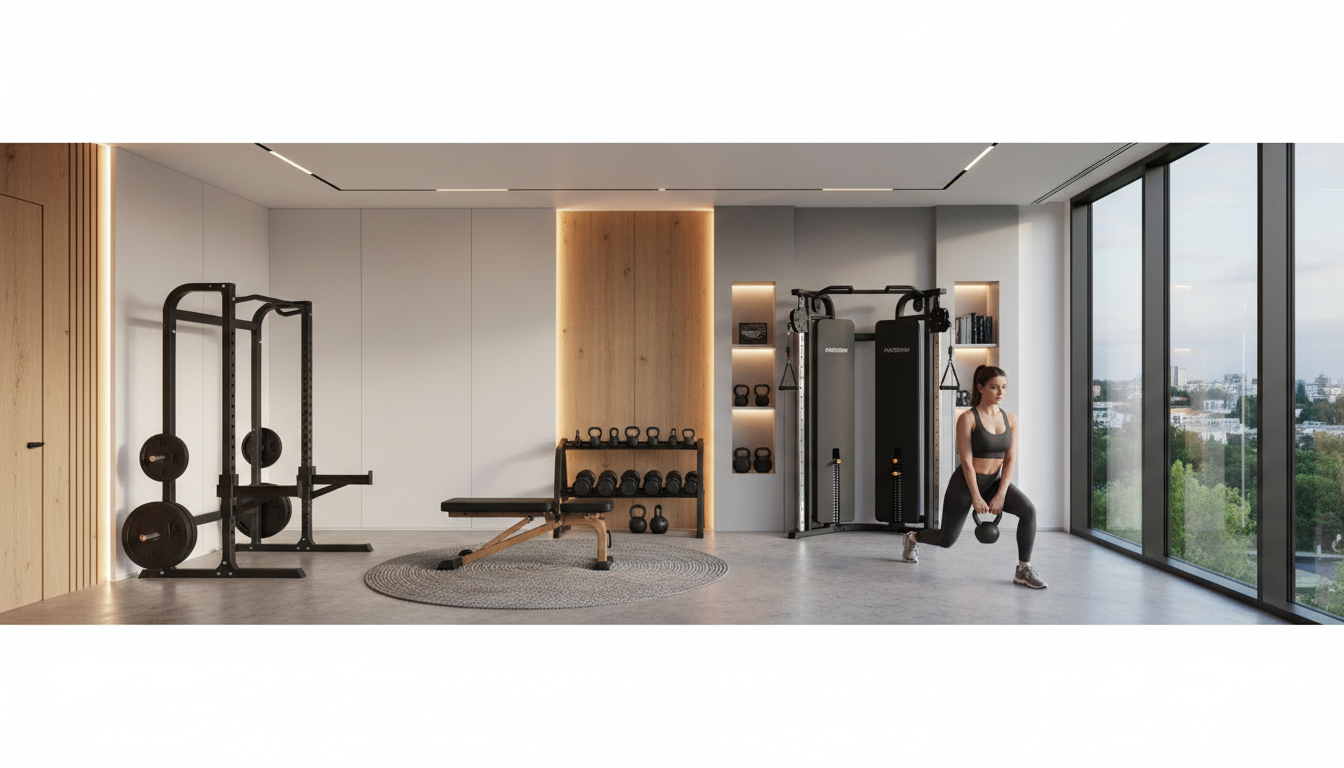
Also, think about the flooring. Investing in durable and shock-absorbing flooring can protect both your equipment and your joints. Rubber mats or foam tiles are popular choices that provide good traction and cushioning.
Choosing the Right Equipment
Selecting the right equipment is crucial for a successful home gym. Start by identifying your fitness goals to determine which equipment suits your needs. For strength training, consider investing in a set of dumbbells, a barbell, and a bench. For cardio, a jump rope or a compact treadmill could be ideal.
Remember, quality matters. While budget-friendly options are tempting, investing in reliable equipment can save you from frequent replacements and potential injuries.

Installation Tips
Proper installation of your fitness equipment is vital for safety and functionality. Follow the manufacturer's instructions carefully to ensure each piece is assembled correctly. Using the right tools can make the process smoother and more efficient.
For more complex installations, like wall-mounted racks, consider seeking professional help to ensure stability and safety. Missteps can lead to accidents or damage to your home, so it’s worth getting it right the first time.
Safety Considerations
Safety should always be a top priority in your DIY fitness setup. Ensure that all equipment is securely anchored and that there is enough space to move freely without the risk of injury. Regularly inspect your equipment for wear and tear, tightening any loose bolts or connections.
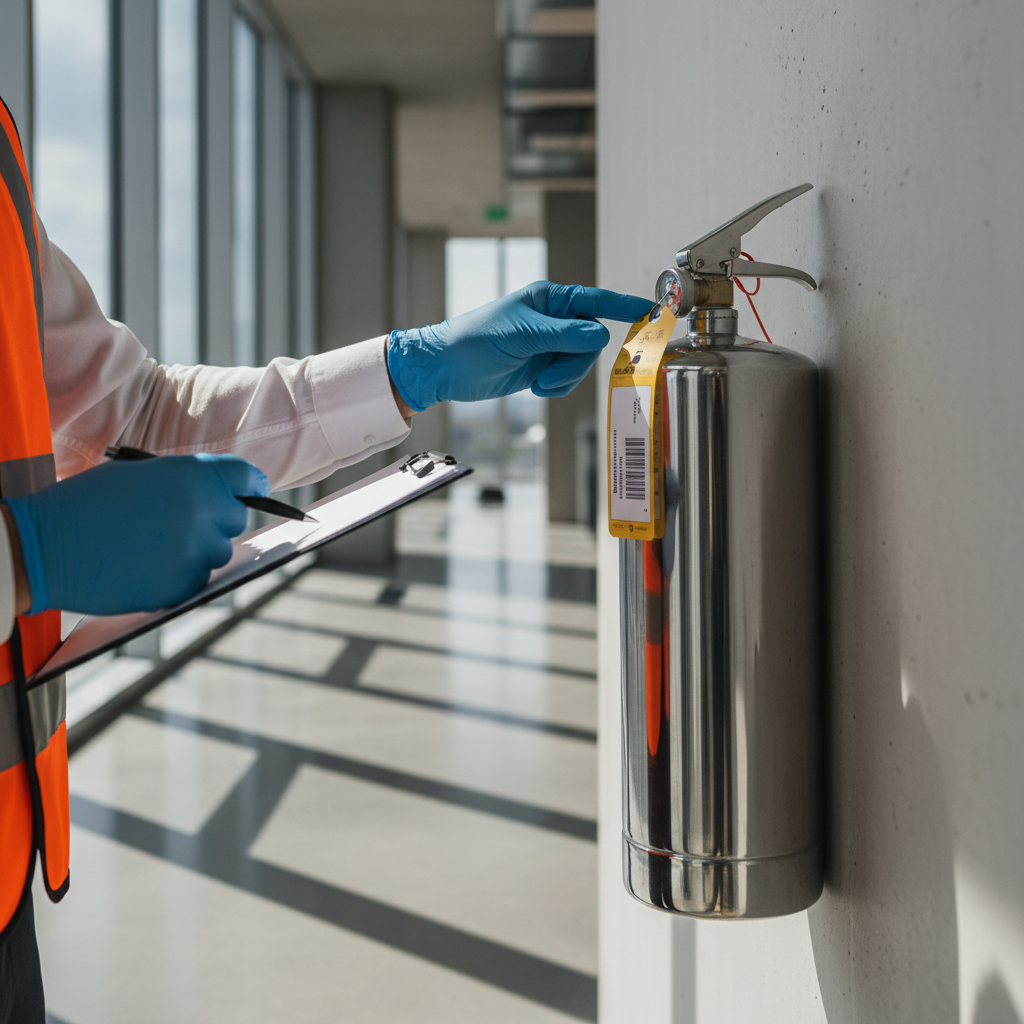
Additionally, keep your workout area organized to prevent accidents. Store weights and accessories properly, and maintain a clear path to and from each piece of equipment.
Maintaining Your DIY Gym
Once your DIY fitness setup is complete, regular maintenance is key to keeping your equipment in top condition. Clean your equipment after use to prevent the buildup of sweat and bacteria, and periodically check for any maintenance needs.
By taking these precautions, you can ensure that your home gym remains a safe and effective space for your fitness journey.
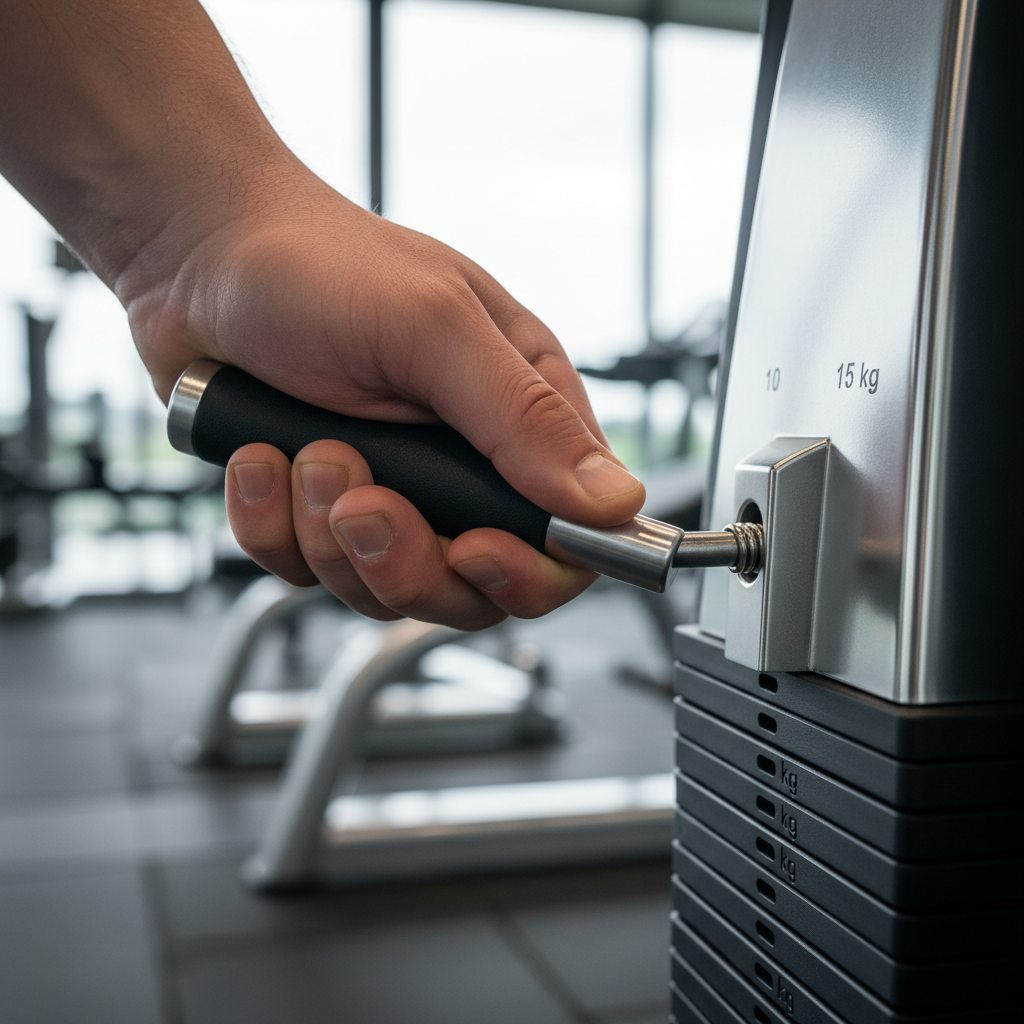
In conclusion, a DIY fitness equipment setup can be a fantastic addition to your home. By carefully planning your space, choosing the right equipment, ensuring proper installation, and maintaining safety, you can create a personalized gym that meets your fitness needs.