DIY Tips for Installing Your Fitness Equipment Safely
DN
Preparing Your Space
Before you start setting up your fitness equipment, it's crucial to prepare your space adequately. Ensure you have sufficient room to accommodate the equipment and allow for safe movement around it. Clear away any unnecessary items and clean the area to prevent dust and debris from interfering with your setup process.

Consider the type of flooring in your space. If you're setting up heavy equipment, a sturdy, non-slip surface is essential. You might need to invest in rubber mats or interlocking tiles to protect your floors and provide stability.
Gathering the Right Tools
Having the right tools on hand can make the installation process much smoother. Basic tools such as screwdrivers, wrenches, and a level will usually suffice for most equipment. Check the manufacturer's instructions for any specific tools required.
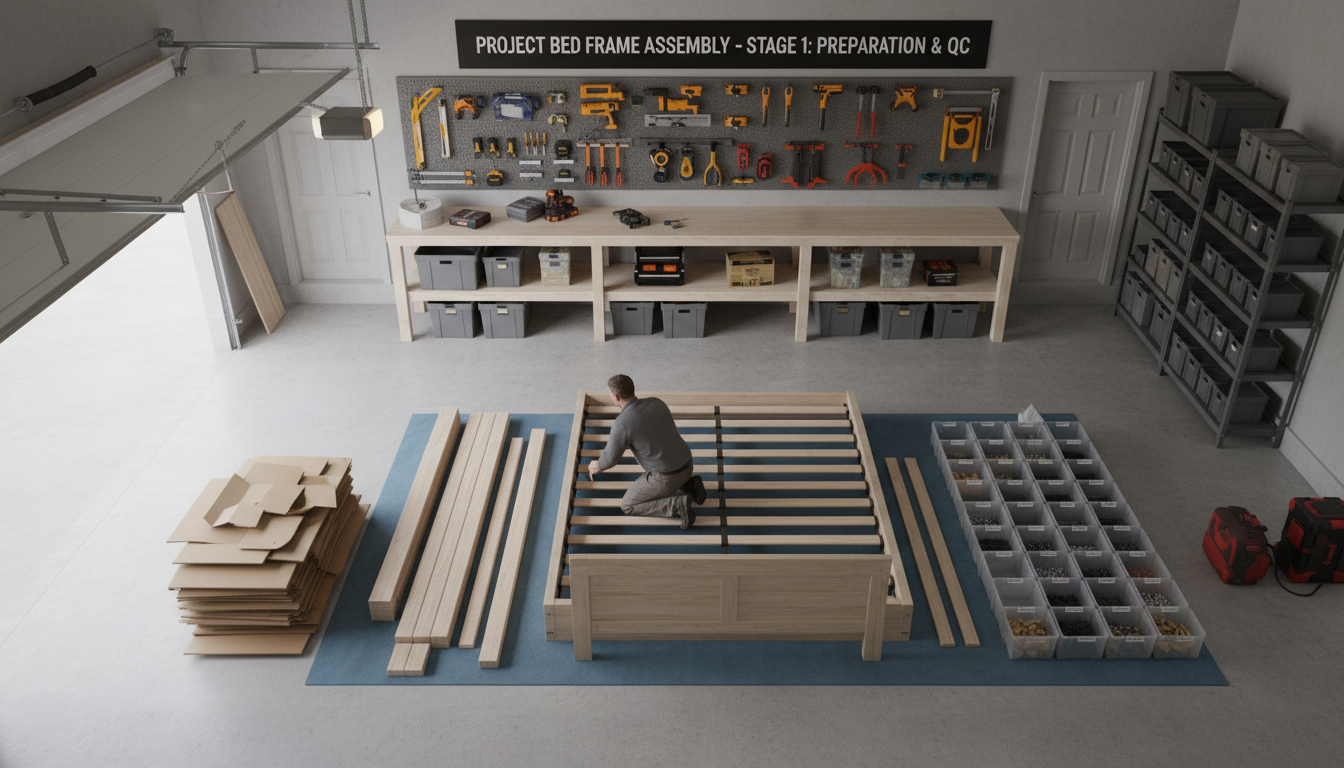
It's also wise to have a friend or family member assist you, especially if the equipment is heavy. Not only does this make the process easier, but it also reduces the risk of injury.
Following Manufacturer's Instructions
Always refer to the manufacturer's instructions before beginning the assembly. These guidelines are tailored specifically for your equipment model and will provide step-by-step instructions to ensure proper setup.
Take your time to read through the entire manual before starting. This will help you understand the sequence of steps and any special considerations needed for your equipment type.
Ensuring Stability and Safety
Once assembled, check that your equipment is stable and secure. Use a level to make sure everything is even, and tighten any loose bolts or screws. This is crucial for both your safety and the longevity of the equipment.
Position your equipment in a way that minimizes the risk of accidents. Ensure there is enough clearance around the equipment for safe use and easy access.
Regular Maintenance Tips
To keep your fitness equipment in top condition, regular maintenance is key. Wipe down surfaces after each use to prevent sweat and dust buildup. Lubricate moving parts as recommended by the manufacturer to ensure smooth operation.
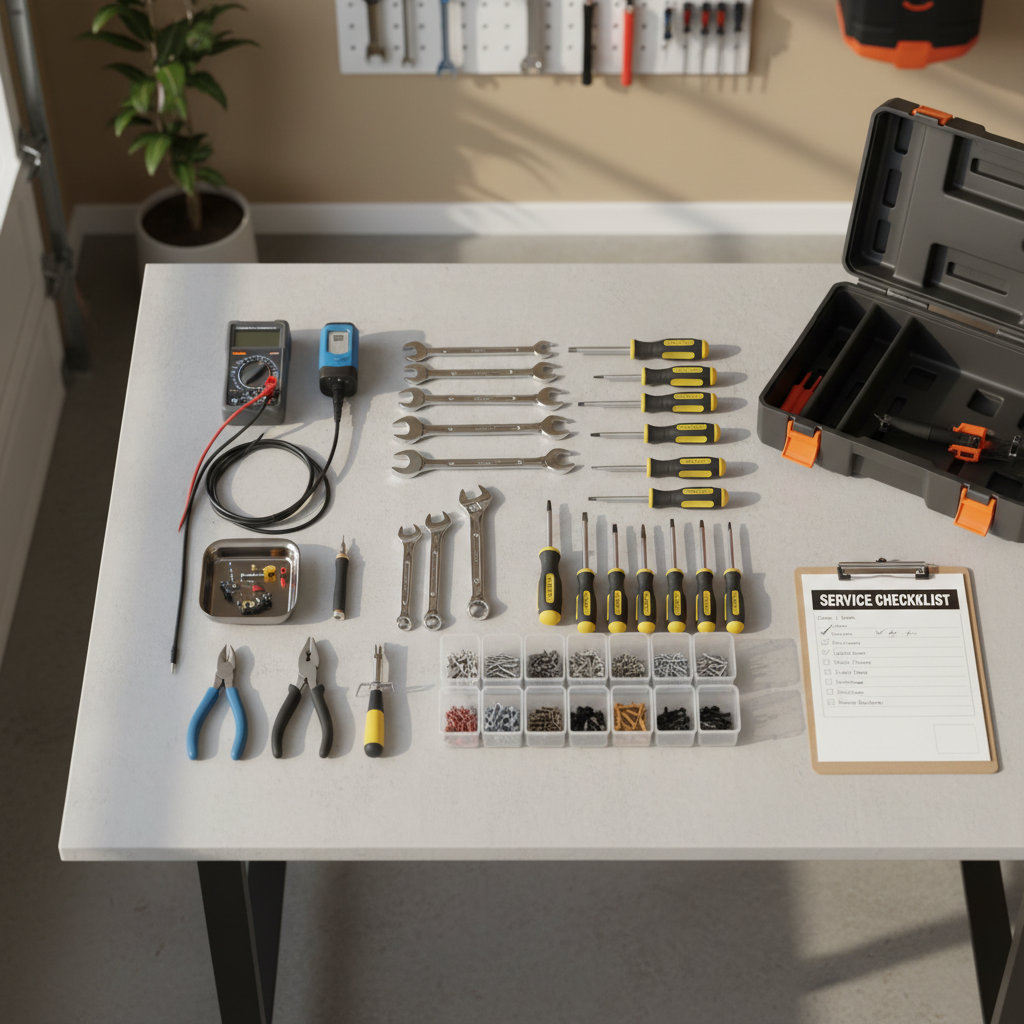
Regularly inspect your equipment for any signs of wear and tear. Addressing minor issues promptly can prevent larger problems down the line, ensuring your equipment remains safe and functional.