Understanding the Local Regulations for Hot Tub Installations in Overland Park
DN
Introduction to Local Regulations
When considering the installation of a hot tub in Overland Park, understanding local regulations is crucial. Homeowners must comply with specific guidelines to ensure safety and legal conformity. This article will guide you through the essential regulations you need to know before starting your hot tub project.
Permitting Process
Before installing a hot tub, obtaining the necessary permits is a must. The Overland Park city regulations require homeowners to apply for a building permit. This ensures that your installation complies with zoning laws and safety standards. Failing to acquire the proper permits can result in fines or the need to remove the hot tub.
To apply for a permit, you will need to submit detailed plans of the installation, including the hot tub’s location, electrical systems, and safety measures. It's wise to consult with a professional to ensure all requirements are met.
Safety and Electrical Requirements
Safety is a top priority when installing a hot tub. The city mandates specific electrical requirements to prevent hazards. All electrical work must be performed by a licensed electrician, and GFCI (Ground-Fault Circuit Interrupter) protection is mandatory for all outlets near the hot tub. This helps prevent electrical shock, ensuring user safety.

Additionally, hot tubs should have secure covers and proper fencing to prevent accidental access by children or pets. These measures are not only recommended but often required by local regulations.
Placement and Zoning Considerations
Where you place your hot tub is another critical aspect governed by local regulations. Overland Park’s zoning laws dictate specific setbacks, meaning your hot tub must be a certain distance away from property lines, structures, and other installations. This is to ensure safety and maintain neighborhood aesthetics.
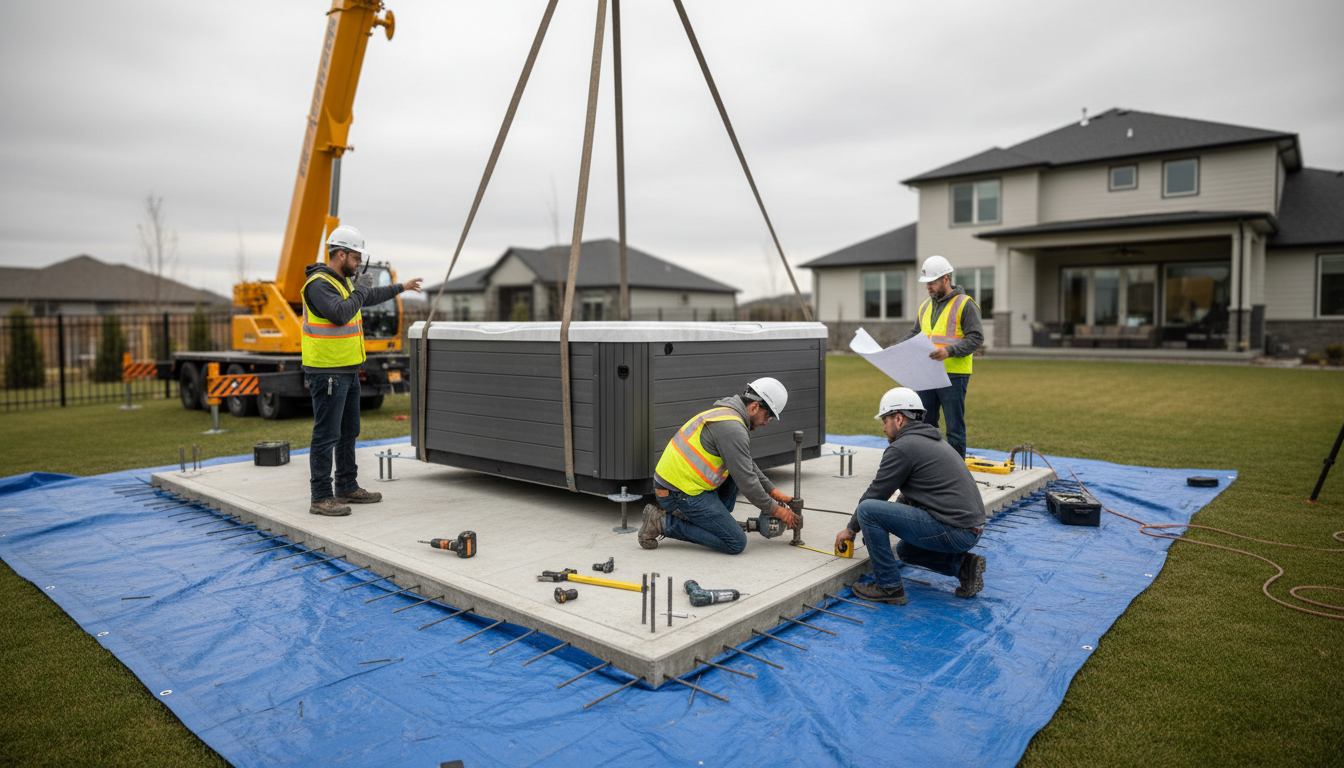
Moreover, considering the load-bearing capacity of your deck or patio is essential. A structural engineer might be necessary to assess whether the existing structure can support the hot tub's weight.

Environmental and Health Codes
Environmental concerns also play a role in the regulations for hot tub installations. Overland Park requires proper drainage systems to handle water disposal without harming the local ecosystem. This means planning for adequate filtration and drainage solutions.
Maintaining water quality is not just about compliance but also about ensuring a healthy soaking experience. Regular water testing and maintenance are necessary to comply with health codes and provide a safe environment for users.
Conclusion
Understanding and adhering to the local regulations for hot tub installations in Overland Park is crucial for a smooth and lawful installation process. By following the permitting process, meeting safety requirements, and considering zoning laws, you can enjoy your hot tub worry-free.
For more detailed information, it’s always recommended to consult with local authorities or professionals who can provide tailored guidance specific to your situation. This ensures that every aspect of your installation meets the legal standards set by the city.